Home › budget room makeover
Budget Room Makeover: How to Transform Any Room for $100, $300, or $500
A room-by-room makeover plan at $100, $300, and $500 — no paint, no contractor.
A budget room makeover spends money in impact order: lighting and textiles first, surfaces second, furniture last. At $100 you get a lamp, curtains, and a throw; at $300 you add a large mirror and a peel-and-stick accent wall; at $500 you add a secondhand furniture swap and real art. One room, one weekend, finished before you start the next — and no paint or contractor needed at any tier.

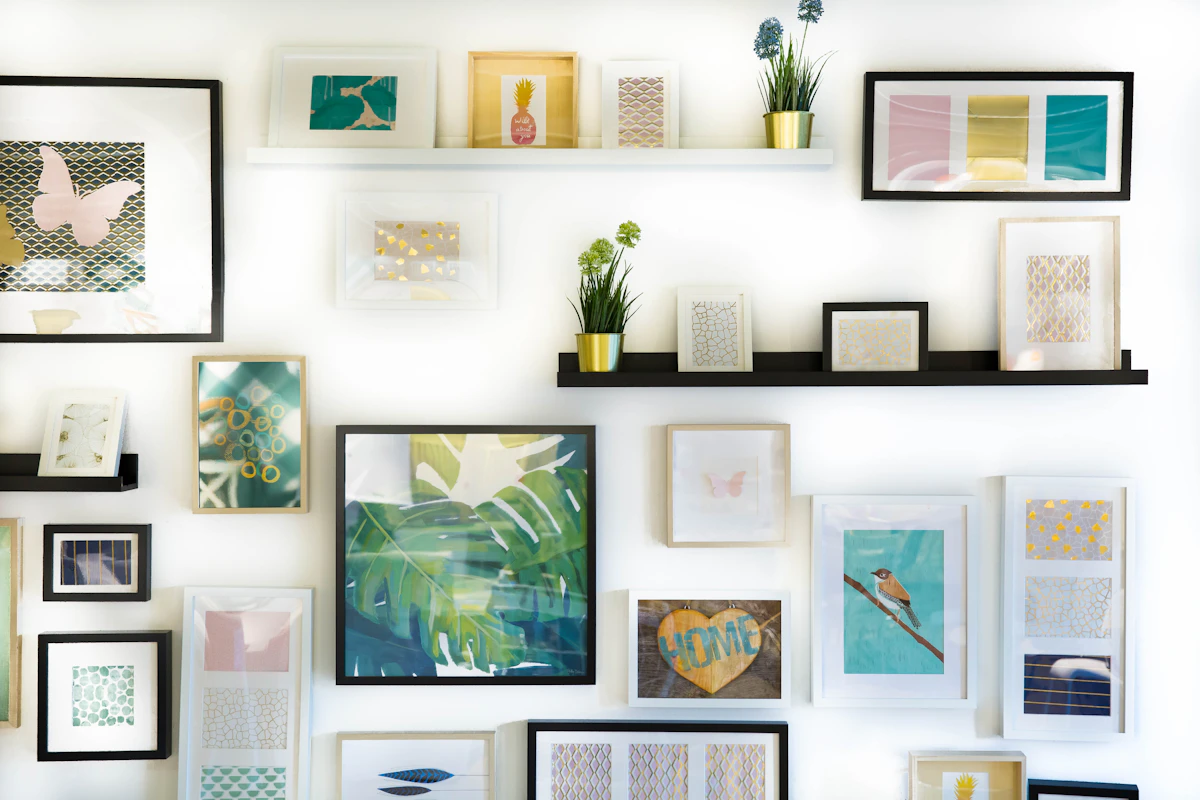
Photo: Unsplash
A room makeover does not need a contractor, a paint crew, or a five-figure budget. It needs a plan that spends money in the order of impact: light first, textiles second, surfaces third, furniture last. Most rooms that feel tired are not ugly. They are under-lit, under-textured, and over-cluttered.
This guide gives you three budgets — $100, $300, and $500 — with a shopping list for each, room by room. Pick the budget you can afford this month, finish one room, and live in it for a week before starting the next.
The $100 makeover: light and textiles
One warm table or floor lamp ($30 to $50), one set of linen-look curtains hung high ($25 to $40), and one textured throw or two pillow covers ($20 to $30). Total: under $100, one evening, and the room feels like a different room.
The lamp is the makeover. A room lit only by a ceiling fixture feels flat and cold; a warm lamp at seating height makes the same room feel finished. If the budget only stretches to one item, buy the lamp.
The $300 makeover: add a mirror and one accent wall
Everything in the $100 tier, plus a leaning floor mirror ($80 to $120) and one peel-and-stick accent wall ($40 to $70). The mirror doubles the light; the accent wall gives the room a focal point that paint would have given, without the lease risk.
Choose the accent wall behind the bed or sofa, never all four walls. Measure the wall, buy one extra roll for pattern matching, and test a hidden patch for residue before you commit.
The $500 makeover: swap one piece of furniture
Everything in the $300 tier, plus one secondhand or flat-pack furniture swap ($150 to $200): a solid-wood dresser, a low bookcase, or a new-to-you armchair. Sell or donate the piece it replaces the same weekend so the old piece does not become storage.
Check secondhand furniture in person when you can: open every drawer, check for smells, and measure the doorways it must pass through. A $80 dresser that does not fit through the door is not a bargain.
The room-by-room order
Living room first, because you see it most. Then the bedroom, because you sleep in it. Then the bathroom, because guests see it. Kitchen and entry last — they are the hardest to change and the least visible after dark.
Finish one room fully before starting the next. Three half-finished rooms feel worse than one finished room and two untouched ones. Live in the finished room for a week; the next room's plan will be better for it.
The declutter hour comes first
Before spending anything, remove one bag of things from the room: broken items, duplicates, and anything you have not used in a year. A makeover on top of clutter is just expensive clutter, and the bag costs nothing.
Clean the room properly after decluttering — walls, baseboards, windows, light fixtures. A clean room with old furniture looks better than a dirty room with new furniture, and the cleaning is free.
Keep a makeover ledger
Write down every purchase, its price, and the room it belongs to. A makeover budget only holds when it is written down; a mental budget grows by $50 every store visit.
Photograph the room before and after, from the same spot. The photos show you what worked, stop you from re-buying what you already own, and give you the before-and-after that makes the next makeover easier to start.
Mistakes to avoid
- Buying decor before decluttering — new objects on top of clutter just make expensive clutter.
- Spending the whole budget on one statement piece and leaving the lighting untouched.
- Ignoring measurements and buying a rug or sofa that does not fit the walkway.
- Starting three rooms at once and finishing none of them.
- Choosing trendy colors that will feel dated in a year instead of a neutral base with swappable accents.
Frequently asked questions
How much does a budget room makeover cost?
At $100: rug or curtains, one lamp, and textiles. At $300: add a large mirror and a peel-and-stick accent wall. At $500: add a secondhand furniture swap and art. The $100 tier alone changes how a room feels.
What gives the biggest makeover impact for the least money?
Lighting and textiles. A warm lamp, layered bedding or sofa pillows, and curtains hung high change a room's feeling in one evening for under $150. Furniture and art come second.
Can I furnish a room makeover with secondhand furniture?
Yes, if you buy secondhand or flat-pack and check measurements twice. A secondhand solid-wood dresser, a flat-pack bookcase, and a new rug beat a full set of new furniture at the same price, and the pieces move with you.
How long does a budget room makeover take?
One weekend: Saturday to declutter, clean, and install the rug, curtains, and lighting; Sunday to style surfaces and hang art. Do not start a second room until the first one is finished and lived in for a week.
Related guides

27 Apartment Decor Ideas That Make Small Rentals Feel Huge
Renter-friendly, budget-first ideas that add style without risking your deposit.

21 Renter Friendly Decor Ideas That Leave Zero Damage
Damage-free decorating that landlords approve and deposits survive.
25 DIY Canvas Wall Art Ideas Anyone Can Make This Weekend
Beginner canvas art with step-by-step techniques, supply lists, and hanging tips.